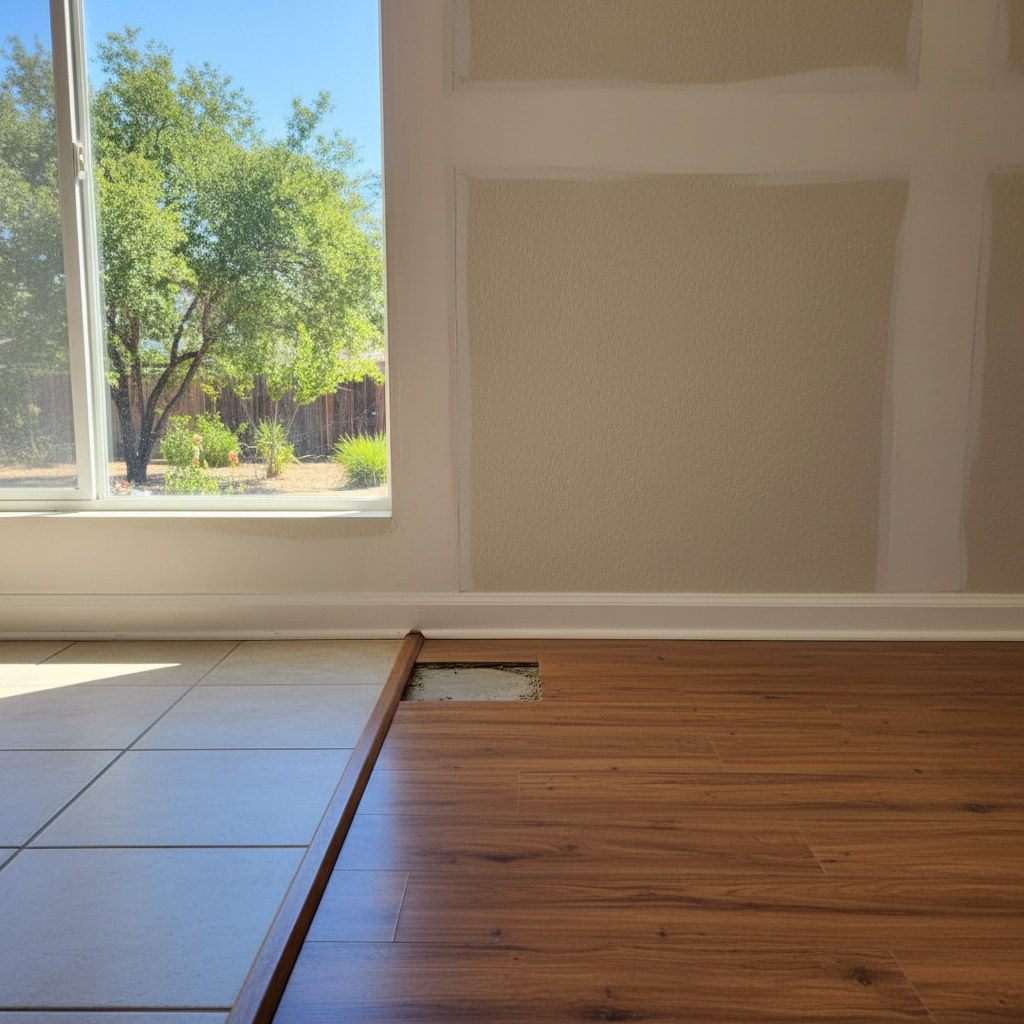
Alright, let's talk about water damage. It's a real pain, isn't it? One minute your home is fine, the next you've got a leaky pipe, a busted water heater, or a storm that just won't quit. I've been doing this a long time here in Stockbridge, and I've heard pretty much every question under the sun when folks are facing this kind of mess. So, I figured I'd lay out some straight answers to the most common stuff I get asked.
What's the first thing I should do when I find water damage?
Stop the source, if you can. That's always step one. If it's a burst pipe, find your main water shut-off valve and turn it off. If it's an overflowing toilet, turn off the valve behind it. For a roof leak during a storm, you might not be able to stop it immediately, but you can start containing it with buckets. After that, safety first. Is the water near any electrical outlets or appliances? Don't touch anything if it feels unsafe. Then, get things drying out as much as possible. Towels, fans, dehumidifiers — anything to start pulling moisture out of the air and off surfaces. The faster you act, the less damage you'll have, and the less chance of mold setting in.
Do I really need a professional, or can I just dry it myself?
Look, for a small spill that you catch immediately on a hard surface, sure, you can probably handle it. But if water has seeped into drywall, flooring, or insulation, or if it's been sitting for more than 24-48 hours, you absolutely need a professional. Why? Because water gets everywhere you can't see. It wicks up walls, under baseboards, and into subflooring. If you don't dry it out completely, and I mean completely, you're setting yourself up for mold growth, structural damage, and ongoing odor problems. We've got specialized equipment — industrial-strength dehumidifiers, air movers, moisture meters — that can detect hidden moisture and dry things out properly. It's not just about what you see; it's about what you don't.
How long does water damage repair usually take?
That's a tough one to give a single answer to because it really depends on the extent of the damage. A small, clean water leak might only take a few days for drying and a couple more for minor repairs. A major flood, especially if it involves contaminated water or significant structural damage, could take weeks, or even months, for the full restoration process. The drying phase itself usually takes 3-5 days, but that's just getting the moisture out. Then comes the actual repair work: replacing drywall, flooring, insulation, painting, etc. We always aim to get you back to normal as quickly as possible without cutting corners.
Will my homeowner's insurance cover the cost?
Most of the time, yes, if the damage is sudden and accidental. Think burst pipes, overflowing appliances, or storm damage (wind-driven rain, hail). What's usually NOT covered is damage from neglect, like a slow leak you ignored for months, or flood damage (which requires a separate flood insurance policy). Your best bet is to call your insurance company as soon as you discover the damage. They'll tell you what your policy covers and what your deductible is. We work with all major insurance carriers, and we can help you navigate the claims process, providing all the documentation they need.
What about mold? How quickly does it grow, and how do you deal with it?
Mold is the sneaky villain of water damage. It can start growing within 24-48 hours if conditions are right – moisture, warmth, and a food source (like drywall or wood). That's why quick drying is so critical. If we find mold, or if the water has been sitting for a while, we'll implement mold remediation protocols. This involves containing the area, removing all affected materials, cleaning and treating surfaces, and then ensuring the air is scrubbed clean with HEPA filters. It's not something you want to mess with yourself, as disturbing mold can release spores and make the problem worse. We take it very seriously.
How do you make sure my home is completely dry?
This is where our specialized gear comes in. We don't just guess. We use professional moisture meters that can detect moisture levels in drywall, wood, and concrete, even behind surfaces. We'll also use thermal imaging cameras to identify hidden pockets of moisture and track the drying process. We place industrial air movers and dehumidifiers strategically to create optimal drying conditions. We monitor these levels daily, adjusting equipment as needed, until we can confirm with our meters that everything is back to safe, pre-loss moisture levels. It's a science, not just throwing a fan at it.
I live in an older Stockbridge home, are there special concerns?
Absolutely. Many of the homes around here, especially in neighborhoods like Eagles Landing or those older brick ranches off Highway 138, can have different construction materials or older plumbing systems. Older homes might have plaster walls that absorb water differently than modern drywall, or original hardwood floors that are more susceptible to warping. We also see a lot of clay soil in Henry County, which means foundation issues can sometimes exacerbate water intrusion if drainage isn't perfect. We're familiar with these local characteristics and adjust our approach accordingly, making sure we're not just fixing the surface but addressing any underlying issues related to your home's specific build and our local environment.
Look, dealing with water damage is stressful. My goal, and the goal of everyone at Coastal Restoration, is to make it as painless as possible for you. If you've got water where it doesn't belong, don't hesitate to give us a call. We're here to help.